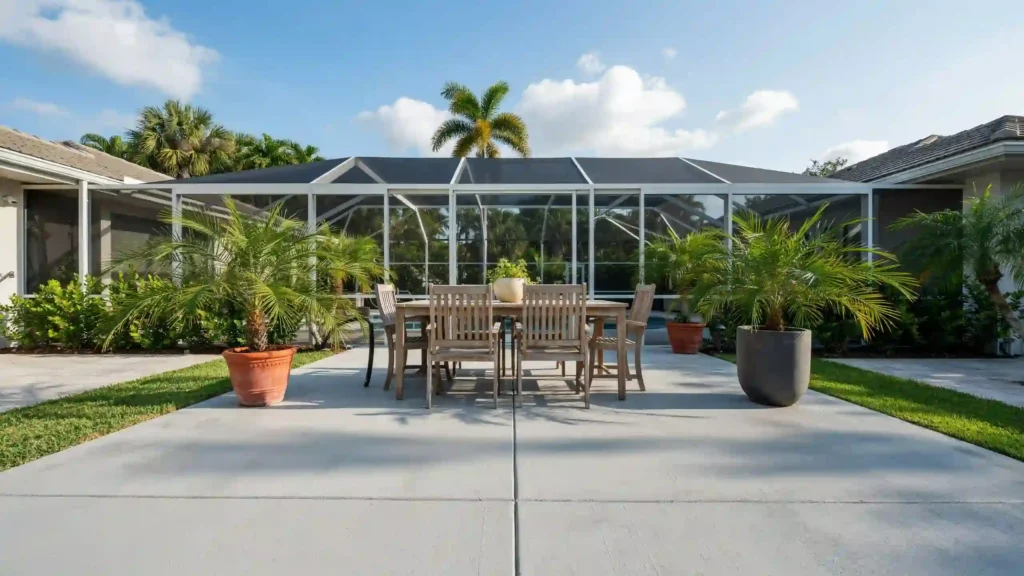
Here is how to seal concrete in short: clean the slab, let it dry completely, then roll or spray on thin, even coats of sealer. Most driveways and patios take a weekend, and the work is easier than most homeowners expect.
Ron Hodges Inc has poured and sealed concrete around Winter Springs for more than 30 years. We know what holds up in Florida heat and rain, and what peels by the end of summer. Follow the steps below and your slab will stay protected for years.
Why Should You Seal Concrete?
Sealing protects concrete from water, stains, and sun damage. Bare concrete is porous, so it soaks up whatever lands on it.
- Water: Moisture seeps into the slab and can lead to cracks and flaking surfaces.
- Stains: Oil, rust, fertilizer, and leaf stains sink in fast on unsealed concrete.
- Mildew and algae: Florida humidity feeds green and black growth on damp surfaces.
- Looks: Sealer can deepen the color and add a light sheen.
Sealer will not make concrete crack-proof. It slows damage down and makes upkeep simpler.
When Is the Best Time to Seal Concrete?
The best time is a dry stretch with mild weather. Most sealers need temperatures between 50 and 90°F, but check your label.
New slabs need to cure first. Wait about 28 days after the pour unless the label says otherwise. Sealing too early traps moisture inside.
In Winter Springs, late fall through spring is the easiest window. Summer storms pop up fast, so work early and look for 24 hours without rain.
What Materials Do You Need to Seal Concrete?
Gather everything before you open the can. Here is a basic list:
- Concrete sealer (water-based or solvent-based)
- Pressure washer, or a stiff broom and garden hose
- Degreaser for oil spots
- Concrete patch or crack filler
- Roller with a 3/8-inch nap, or a pump sprayer
- Small brush and painter’s tape
- Safety glasses, gloves, and a respirator for solvent-based products
How to Prepare Concrete for Sealing
Sealer only sticks to a clean, dry, sound surface. Skipping prep is the number one reason sealing jobs fail.
- Clear the area. Move furniture, planters, and grills. Sweep away leaves and grit.
- Repair damage. Fill cracks and chips with patch material. Let it cure as the package directs.
- Treat stains. Scrub oil spots with degreaser and a stiff brush, then rinse well.
- Wash the slab. Use a pressure washer with a wide fan tip, and keep the wand moving so it doesn’t scar the surface.
- Strip old sealer. If the old coat is peeling or cloudy, remove it before you start.
- Let it dry. Give the slab 24 to 48 hours. Tape a clear plastic square to the concrete for a day. If moisture fogs the plastic, wait longer.
How to Seal Concrete Step by Step
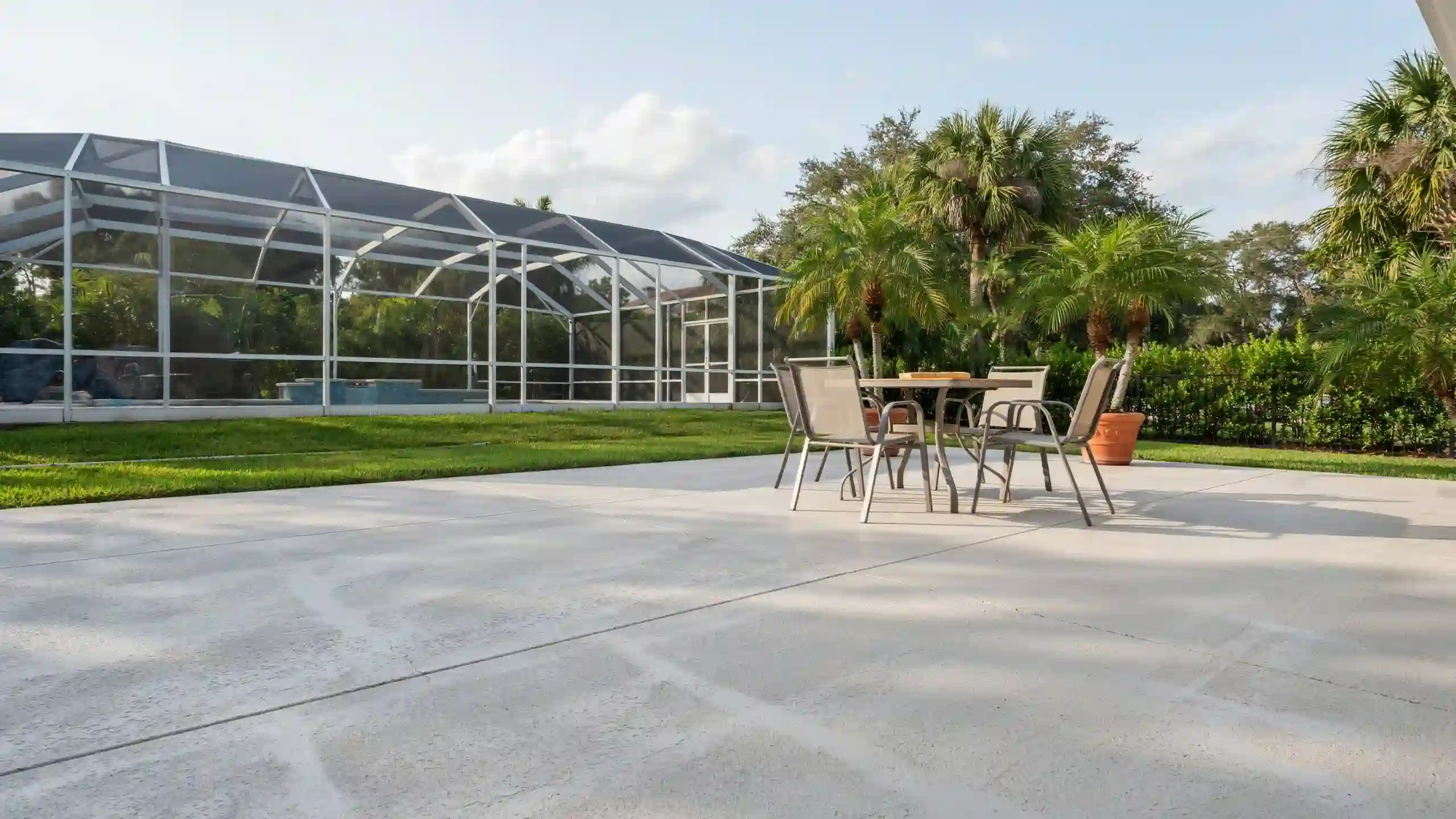
Here is how to apply concrete sealer for an even, lasting finish:
- Read the label. Coverage, recoat time, and weather limits vary by product.
- Protect nearby surfaces. Tape off siding, garage doors, and plants.
- Cut in the edges. Use a brush along walls and borders first.
- Apply the first coat. Spray or roll in thin, steady passes. If you spray, back-roll right after to even it out.
- Brush out puddles. Pooled sealer dries cloudy and bubbly.
- Wait, then recoat. Most labels call for a few hours. Apply the second coat in the opposite direction.
- Clean up and stay off. Wash tools as directed and block the area.
Sealing a Driveway
If you are learning how to seal a concrete driveway, plan your exit first. Start at the far end and work toward the street so you never walk on wet sealer. Block the entrance with cones or tape.
Sealing a Patio
When you think through how to seal a concrete patio, ask about slip resistance. Wet sealed patios can get slick, especially around pools. Many sealers accept an anti-slip additive, so ask before you buy.
How to Choose the Right Concrete Sealer
The right sealer depends on where the slab sits and how you use it. Here is how the main types compare:
| Sealer Type | Best For | Finish | Notes |
| Acrylic | Driveways, patios | Natural to glossy | Easy to apply, needs more frequent resealing |
| Penetrating (silane or siloxane) | Driveways, walkways, pool decks | Natural, no film | Soaks in, lasts longer, less slippery |
| Epoxy | Garage floors | Glossy | Indoor use, can yellow in sun |
| Polyurethane | High-traffic or chemical areas | Glossy | Very tough, harder to apply |
For most outdoor slabs in Central Florida, acrylic or penetrating sealer is the safe choice. Water-based products smell less, while solvent-based ones give deeper color but have strong fumes.
Have pavers as well? They need a different process, so read How to Seal Pavers with Sand before you start.
How Long Does Concrete Sealer Take to Dry?
Most sealers feel dry within a few hours, but full cure takes longer. These are typical ranges, so your label has the final word:
| Stage | Typical Wait |
| Dry to the touch | 2 to 6 hours |
| Light foot traffic | About 24 hours |
| Cars and furniture | 48 to 72 hours |
| Full cure | Up to a week |
Humidity, shade, and cool weather all slow things down. A damp Florida morning can add hours.
How Often Should You Seal Concrete?
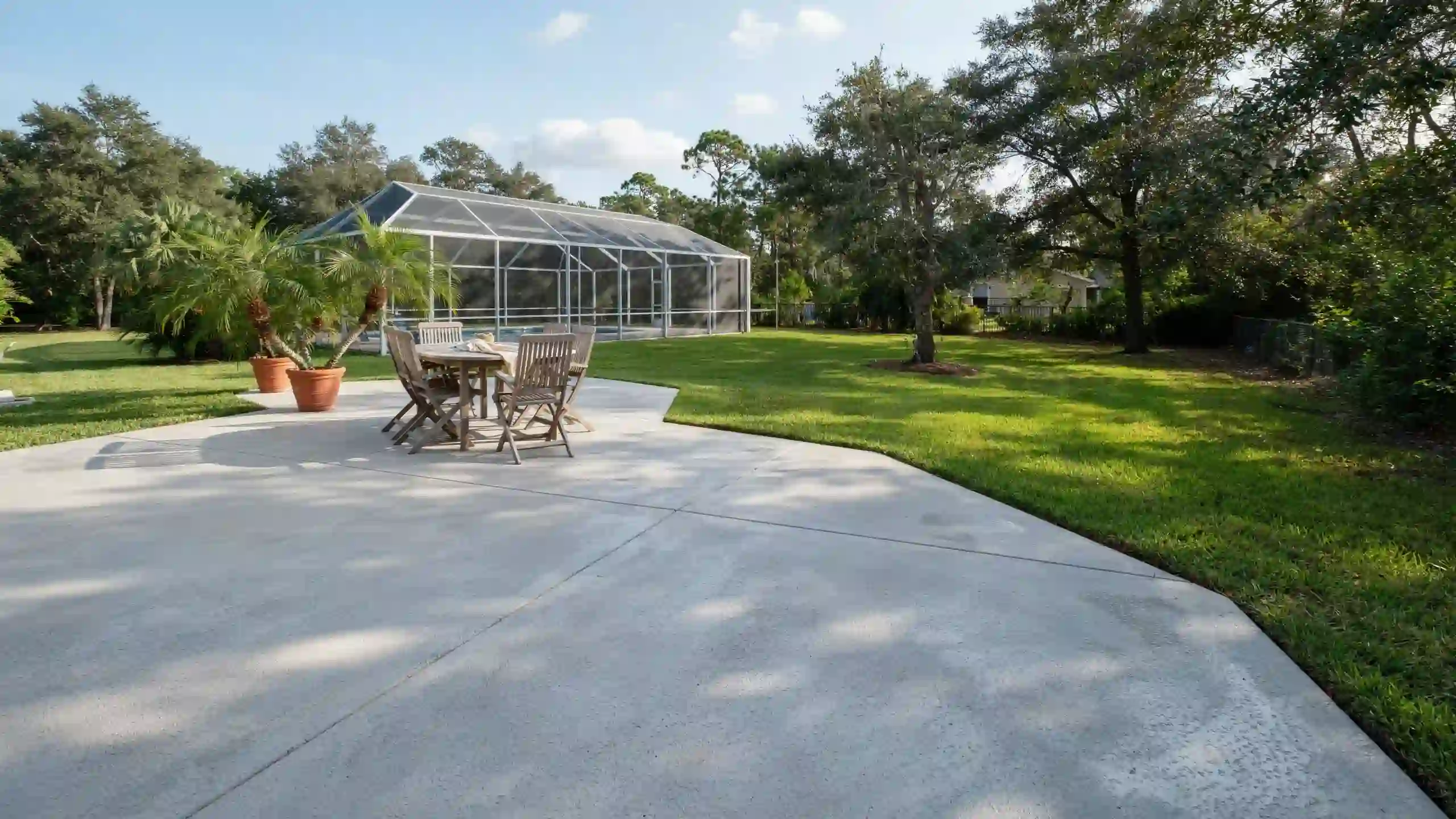
Acrylic sealer usually needs a fresh coat every two to three years. Penetrating sealers often last five years or more. Driveways wear faster than patios because of tires and sun.
Test your slab with a splash of water. If it beads up, the sealer still works. If it soaks in and darkens the concrete, it is time to reseal.
Common Mistakes to Avoid When Sealing Concrete
- Sealing damp concrete. Trapped moisture turns the sealer white and hazy.
- Applying it too thick. Heavy coats bubble, peel, and stay tacky.
- Skipping the cleaning. Dirt under sealer shows through and weakens the bond.
- Picking the wrong product. Epoxy outdoors can yellow and chalk.
- Working in direct sun or before rain. Both ruin the finish.
Should You Seal Concrete Yourself or Hire a Professional?
A small patio or walkway is a good DIY job. You need the right weather, a clean slab, and patience.
Hire a pro for a large driveway, a slab with old failing sealer, or deep stains. A crew brings commercial sprayers and finishing experience. At Ron Hodges Inc handle the cleaning, repairs, and sealing in one visit.
Planning a new path instead? Take a look at our Concrete Walkway Installation service.
Final Thoughts
Sealing concrete comes down to three habits: a clean slab, a dry surface, and thin coats. Pick a sealer that fits how you use the space, watch the weather, and plan to reseal every few years.
Ron Hodges Inc has sealed driveways, patios, and walkways in Winter Springs for over 30 years. If you want it done right the first time, Contact us today for any type of concrete and paver installation and repair in Winter Springs, Florida and souronding areas.
FAQs
Can you seal concrete right after it is poured?
No. Wait about 28 days so the slab can cure, unless the sealer label says it is safe sooner.
Does sealed concrete get slippery?
It can when wet, especially with glossy film sealers. Add an anti-slip additive or choose a penetrating sealer.
Can you put new sealer over old sealer?
Only if the old coat is intact and the products match. Peeling or cloudy sealer must come off first.
Can you seal concrete in the rain?
No. Rain can turn wet sealer cloudy or wash it away, so wait for a full 24 dry hours.
What happens if you never seal concrete?
It still lasts, but it stains easily, absorbs water, and wears down faster.